Thursday, December 18, 2025

Professionalizing Your Painting & Handyman Business: Part 1 - Tools & Equipment Investment Guide

Introduction:

This is Part 1 of our 5-part series on transforming your painting and handyman business into a professional, scalable operation.

You've been running your painting and handyman business, taking on a variety of jobs, and now you're ready to take your operations to the next level. Whether you've been operating informally or just want to upgrade your existing operation, the foundation of any successful contracting business starts with having the right tools and equipment.

In this first installment of our comprehensive guide, we'll cover everything you need to know about investing in quality tools, equipment, vehicles, and technology that will help you work more efficiently, present a professional image, and ultimately increase your profitability.

Showing all the tools you need from paint brush to ladders
All the tools you will invest in with your painting handyman business


Important Legal Disclaimer

Please Note: The information provided in this guide is for educational and informational purposes only and should not be considered legal, financial, or professional advice. Laws, regulations, and requirements vary significantly by state, province, county, and municipality. Before making any business decisions or investments based on this information, consult qualified professionals, including attorneys, accountants, and business advisors familiar with your specific location and circumstances. This guide is intended to help you understand what questions to ask and what areas to research.

Why Quality Tools Matter

Before we discuss specific equipment, it's important to acknowledge the fact that quality tools are not cheap. You might be tempted to cut corners with budget options from big-box stores, but here's the reality—professional-grade tools are investments, not expenses.

Quality tools last longer, work better, deliver superior results, reduce job time, and ultimately save money. They also send a message to clients: you're a serious professional who values quality work. When you show up with beat-up, mismatched tools versus organized, professional equipment, clients notice.

Essential Painting Tools and Equipment

The Foundation: Brushes and Rollers

Your painting toolkit starts with a comprehensive selection of brushes. You'll need various sizes, including 1-inch, 2-inch, 3-inch, and 4-inch angled sash brushes. Angled brushes are essential for cutting in along ceilings, trim, and corners with precision. Don't buy cheap synthetic brushes that shed bristles and leave streaks—invest in quality brands like Purdy, Wooster, or Benjamin Moore that cost $15 to $30 per brush but last for years with proper care.

For rollers, you need high-quality roller frames in both 9-inch (standard walls) and 18-inch (large open areas) sizes. Cheap roller frames bend and don't distribute pressure evenly, leading to inconsistent coverage. Professional frames cost $10 to $25 but make a noticeable difference in results.

Stock various roller covers in different naps for different surface textures. Short nap (3/16" to 1/4") works for smooth surfaces like doors and cabinets, medium nap (3/8" to 1/2") handles most walls, and long nap (3/4" to 1") tackles rough surfaces like stucco or heavily textured walls. Quality roller covers cost $3 to $8 each and are worth every penny for the superior finish they provide.

Graph showing the cost of rollers and brushes low and high cost in different colpours
Graph showing cost of rollers and brushes

Surface Preparation Equipment

Professional painters understand the crucial role preparation plays in the success of a paint job. Your prep arsenal should include scrapers and putty knives in multiple sizes (1-inch to 6-inch), sanding blocks and sandpaper in various grits (80 to 220 grit), an orbital sander for larger areas, a shop vacuum for cleanup, and a good dust mask or respirator.

Don't overlook the importance of proper drop cloths. Canvas drop cloths are essential for floors—they stay in place, absorb spills, and last for years. Budget plastic tarps slide around and tear easily. A quality 9x12 canvas drop cloth costs $40 to $80, but you'll use it on hundreds of jobs. Supplement with plastic sheeting for furniture and fixtures that need protection.

Extension and Access Equipment

Working at height safely and efficiently requires proper equipment. Extension poles that telescope to at least 12 feet are non-negotiable for cutting in ceilings and reaching high walls without constantly climbing ladders. Quality poles cost $30 to $60 and save hours of time per job.

You'll need a sturdy 6-foot step ladder for most residential work, plus an 8-foot ladder for higher ceilings and exterior work. Don't cheap out on ladders—they're safety equipment. Fibreglass ladders are pricier than aluminium ($150 to $300 each), but they're safer around electrical work and more durable. For exterior work, consider an extension ladder that reaches at least 24 feet.

The Game-Changer: Spray Equipment

Here's where your investment can really transform your efficiency: professional spray painting equipment. An airless paint sprayer can reduce painting time by 50–70% on larger jobs, especially for new constructions, exteriors, or open interior spaces.

Entry-level airless sprayers start around $300 to $500 and work fine for occasional use. For serious professionals doing regular spray work, invest $800 to $2,000 in a contractor-grade unit from brands like Graco, Wagner, or Titan. These machines deliver consistent pressure, handle heavy-bodied paints, and last for years with proper maintenance.

The learning curve is real—you'll need to practice technique and master masking to avoid overspray. But once you're proficient, sprayers become indispensable for cabinets, fences, decks, exteriors, and any large smooth surfaces. The time savings alone often justify the cost of the sprayer.

Handyman Tool Arsenal

Power Tools for Carpentry

Your handyman business needs to handle carpentry work, which means investing in essential power tools. A quality circular saw ($100 to $200) handles most straight cuts and sheet goods. A mitre saw ($200 to $500) is essential for precise angle cuts on trim, moulding, and framing work. A jigsaw ($80 to $150) cuts curves and makes interior cutouts.

Drills and drivers are workhorses you'll use daily. Invest in both a corded drill for heavy-duty work ($80 to $150) and a cordless drill/driver combo ($150 to $300). An impact driver is invaluable for driving screws efficiently, especially in tough materials. Look for 18V or 20V systems—the batteries are interchangeable across tools from the same brand, which saves money as you expand your collection.

A complete drill bit set including twist bits, spade bits, hole saws, and driver bits costs $50 to $100. Buy quality bits—cheap ones dull quickly and break at the worst times.

Hand Tools Every Handyman Needs

Power tools get the glory, but hand tools do the real work. Build a comprehensive collection including multiple hammers (16 oz claw hammer, 20 oz framing hammer, rubber mallet), pry bars in various sizes for demolition and trim removal, levels in 2-foot, 4-foot, and 6-foot sizes, tape measures (25-foot is standard; have a 100-foot for larger measurements), a speed square and framing square for layout work, and a complete socket set with both metric and standard sizes plus a ratchet and extensions.

Don't forget adjustable wrenches, Allen key sets, pliers (slip-joint, needle-nose, locking), wire cutters, and a quality utility knife with plenty of spare blades. A complete hand tool collection runs $500 to $1,000 but builds over time.

Specialty Trade Tools

For plumbing tasks, you'll need pipe wrenches (two sizes), basin wrenches for tight spaces under sinks, a decent plunger, a snake auger for drain cleaning, tubing cutters, and Teflon tape. Budget $200 to $400 for a basic plumbing toolkit.

Electrical work requires wire strippers, multimeters for testing circuits, fish tape for running wires through walls, voltage testers, and wire connectors. Unless you're a licensed electrician, stick to basic tasks like outlet and switch replacement, light fixture installation, and basic troubleshooting. An electrical toolkit costs $150 to $300.

For drywall work, you'll need a keyhole saw, taping knives in multiple sizes (6-inch, 8-inch, and 12-inch), a mud pan, corner tools, and a sanding pole. Drywall tools run $100 to $200.

All types of tools from hammers to power tools
All the different types of tools you will need to invest in


Transportation and Storage Solutions


Choosing Your Work Vehicle

This is likely your single largest equipment investment, but it's absolutely essential. You have two main options: pickup trucks or cargo vans.

Pickup trucks offer advantages like easier loading of large items, better visibility, and familiarity (many contractors prefer driving trucks). However, weather and theft expose tools and equipment. A quality used work truck typically costs $25,000 to $35,000.

Cargo vans provide better security for your expensive tools, protection from weather, and a more professional appearance at client sites. They also offer easier organization with shelving systems. The downside is difficulty loading huge items. Cargo vans typically cost $28,000 to $45,000 used.

Consider leasing as an option. Commercial vehicle leases often offer tax advantages, lower upfront costs, and predictable monthly expenses. You'll pay $400 to $700 monthly depending on the vehicle, and you can deduct these payments as business expenses.

Whatever you choose, make it look professional. Get your business name, phone number, and services professionally lettered on the vehicle. Such artwork turns every drive into marketing and signals professionalism to clients. Professional vehicle graphics cost $500 to $2,000 depending on coverage.

Tool Storage and Organization

An unorganized vehicle wastes time and looks unprofessional. Invest in quality storage solutions, including a lockable toolbox or truck box ($300 to $800), storage bins and organizers ($100 to $300), shelving systems for vans ($400 to $1,200), and a tool bag or rolling tool chest for items you carry into job sites ($100 to $400).

Organization isn't just about appearance—it's about efficiency. When you can find any tool in seconds without digging through piles, you save time on every single job. That efficiency adds up to dozens of hours saved over the course of a year.

Consider a trailer for larger equipment you don't need daily, like pressure washers, large ladders, or scaffolding. A utility trailer costs $1,500 to $4,000 but expands your capabilities significantly.

Safety Equipment: Non-Negotiable Investments

Never, ever skimp on safety. Your health and ability to work are your most valuable assets. Essential safety equipment includes tough hats for job sites requiring them ($15 to $40), safety glasses and goggles ($10 to $30), respirators with appropriate filters for paint fumes, dust, and other hazards ($30 to $150), hearing protection for power tool work ($15 to $50), work gloves in various types (leather for rough work, nitrile for painting, and cut-resistant for sharp materials) ($30 to $100 for a variety), and steel-toed work boots ($100 to $200).

You'll also need first aid kits for your vehicle ($30 to $100). For work at height, proper fall protection, including harnesses and lanyards, may be required depending on your local regulations and the type of work you do.

Technology and Digital Tools

Modern contracting businesses need modern technology. A smartphone or tablet ($300 to $1,000) serves multiple purposes: taking before-and-after photos, using business apps for estimates and invoicing, communicating with clients, accessing plans or specifications on-site, and GPS navigation.

A digital camera helps document work, create marketing materials, and protect yourself with documentation if disputes arise. Even a basic point-and-shoot ($200 to $400) produces better images than phone cameras in challenging lighting.

Laser measuring tools ($50 to $200) provide quick, accurate measurements that impress clients and save time. They're especially useful for estimating large spaces or measuring in occupied homes where you can't easily access all walls.

Picture of camera, cell phone and a digital laser
Technology and Digital tools you will need


Investment Summary and Budgeting

Let's talk numbers. For a comprehensive tool and equipment upgrade:

Starting from scratch: $15,000 to $30,000

  • Painting tools: $1,500 to $3,000
  • Handyman tools: $2,000 to $5,000
  • Power tools: $1,500 to $3,000
  • Vehicle: $25,000 to $45,000 (or $400-$700/month leasing)
  • Storage and organization: $800 to $2,000
  • Safety equipment: $500 to $1,000
  • Technology: $500 to $1,500

Upgrading existing equipment: $5,000 to $15,000

  • Focus on professional-grade replacements for most-used tools
  • Add specialized equipment like spray systems
  • Improve vehicle organization and appearance
  • Fill gaps in your tool collection

Don't feel pressured to buy everything immediately. Prioritize based on the work you're actually doing and phase purchases over 6–12 months. Many contractors use the "buy as you need" approach, purchasing specialty tools when they land jobs requiring them and building costs into project pricing.

Consider buying quality used equipment from retiring contractors, equipment auctions, or pawn shops. Always test thoroughly before purchasing and inspecting for damage or excessive wear. Particularly, well-maintained power tools can provide significant value when purchased used.

Maintaining Your Investment

Only proper maintenance ensures the effectiveness of quality tools. Clean and store tools properly after each use—paint tools get cleaned immediately (dried paint ruins brushes), power tools get blown out to remove dust, and hand tools get wiped down to prevent rust. Service power tools annually, including blade/bit sharpening, oil changes on gas equipment, and professional servicing for spray equipment.

Store tools in climate-controlled spaces when possible to prevent rust and damage. Keep an inventory of your tools, including serial numbers and photos, for insurance purposes. If theft occurs, documentation makes claims much easier.

What's Next?

You've now got a roadmap for building a professional tool and equipment collection that will serve your business for years. Quality tools improve your efficiency, enhance your results, and project professionalism to clients—all of which directly impact your bottom line.

But having great tools is only part of professionalizing your business. In Part 2 of this series, we'll tackle the legal foundations: choosing the right business structure, registering your company, understanding licensing requirements, and navigating the regulatory landscape that governs contractor businesses.

Have questions about tools and equipment for your painting and handyman business? Drop a comment below, and let's discuss what's working for you!

These legal requirements might seem daunting, but they're essential for protecting yourself, building credibility, and accessing better opportunities. We'll break down everything you need to know in clear, actionable terms.

Regards,

Joseph F. Botelho

Ready for a Home Makeover?

Stop putting off those repairs! We specialize in expert painting and reliable handyman services right here in the area. From applying a fresh coat of paint to fixing nagging household issues, we handle the hard work so you don't have to. 

[Click Here to View Our Full Services List] Get a Free Estimate Today!

About the Author – JFB Handyman

JFB Painting and Handyman Services has been proudly serving homeowners since 2018, providing reliable, detail-focused home maintenance, repairs, and improvement services. With years of hands-on experience solving real foundation, soil, drainage, and structural issues, JFB Handyman brings practical knowledge to every project and every article.

From small fixes to complex home challenges, the goal has always been the same: deliver honest workmanship, protect your investment, and help homeowners understand how to keep their property in top condition. This commitment to quality, transparency, and long-term solutions has made JFB Handyman a trusted name in local home repair.


Monday, December 15, 2025

Don't Paint Over Problems: 5 Common Wall Repairs to Fix BEFORE You Pick a Colour


Introduction

As a professional painter and handyman, I can tell you the secret to a high-quality, long-lasting paint job isn't just the brand of paint—it's the surface prep. Rushing to put a new colour over a damaged wall is the fastest way to make minor problems look like major flaws. Paint doesn't hide defects; it actually magnifies them! Before you spend time and money on that new colour, check your walls for these five common problems that absolutely require repair. Your finished room will thank you.

Addressing these issues not only enhances the appearance of your walls but also ensures better adhesion and durability of the paint. Taking the time to thoroughly prepare your surfaces will result in a professional-looking finish that stands the test of time. 

 Let's review the five repairs.

  1. Section 1: Nail Pops & Screw Tears

    • Problem: Small bulges or tears in drywall caused by loose screws or nails. To address this issue, you can re-secure the loose screws or nails and apply a patching compound to smooth out the surface. Once dried, sand the area lightly and repaint to ensure a seamless finish.

    • Fix: Secure the fastener deeper, dimple the drywall, and apply compound. Section 2: Cracks in Drywall Problem: Cracks can develop due to settling or temperature fluctuations. To repair, clean the crack, apply a flexible filler, and then smooth it out. After it has dried, sand the area and repaint for an even appearance.

    • Why The Condition Matters: These issues can cause the paint to crack instantly. Addressing these issues promptly enhances the aesthetics of your walls and prevents further damage that could lead to more extensive repairs down the line. Regular maintenance and timely touch-ups will keep your drywall looking fresh and prolong its lifespan.

    • 4 Steps to filling the holes correctly

Section 2: Hairline Cracks (Stress Cracks)

  • Problem: Thin cracks, usually at the corners of doors or windows, caused by structural settling. These cracks can be a sign of normal settling, but if they continue to expand or multiply, it may indicate a more serious underlying issue. Regular monitoring and timely repairs can help prevent further damage and maintain the integrity of your home.

  • Fix: Widen the crack slightly (V-groove), tape, and mud with a flexible compound. Additionally, it’s advisable to examine the surrounding areas for any signs of moisture intrusion, as this can exacerbate the problem and lead to further deterioration. Taking proactive measures will enhance the aesthetics of your home and ensure its longevity.

  • Why It Matters: Applying paint alone will not effectively seal a structural crack. Addressing these issues promptly can save you significant costs in the long run. Regular maintenance and inspections will help you catch potential problems early, allowing for timely repairs and preserving the value of your property.

Section 3: Large Dents & Holes

  • Problem: Damage from moving furniture or doorknobs. To address these issues, it is essential to assess the extent of the damage before proceeding with repairs. Depending on the severity, methods such as filling, sanding, or patching may be required to restore the surface to its original condition.

  • Fix: Use drywall patches for large holes and filler for smaller dents. Sand perfectly smooth. After ensuring a smooth finish, it’s important to apply a primer and paint that matches the surrounding area for a seamless look. This final touch will not only enhance the aesthetic appeal but also provide added protection to the repaired surface.

  • Why It Matters: The light hitting the wall will highlight every dip and imperfection. To achieve a truly professional finish, consider using a paint sprayer for an even coat, especially in larger areas. This technique can help eliminate brush strokes and provide a uniform appearance across the entire wall.

This pictures explains the steps you need to take, making the wall ready for painting


Section 4: Water Stains & Discoloration

  • Problem: Yellow or brown stains may be present due to past leaks. These stains may be signs of ongoing moisture problems or past water damage that needs to be fixed. It is crucial to investigate the source of the leaks and ensure that proper repairs are made to prevent further discoloration and potential structural damage.

  • Fix: It is crucial to first find and repair the source of the leak! Then, use a stain-blocking primer (like shellac or oil-based) before painting. Additionally, consider applying a high-quality paint that is resistant to moisture, which can help to prevent future stains from reappearing. Regularly monitoring the area for any signs of dampness can also help maintain the integrity of your walls and ceilings.

  • Why It Matters: Latex paint will not cover these stains; they will bleed through every coat. Taking these precautions will ensure a lasting finish and protect your home from further damage. It's essential to address any underlying issues promptly to avoid costly repairs down the line.

Section 5: Loose or Peeling Paint

  • Problem: Old, failing paint that is bubbling or flaking away. This not only detracts from the appearance of the structure but can also lead to more significant issues such as moisture intrusion and structural damage. Addressing this problem promptly through proper surface preparation and repainting will help maintain the integrity and aesthetic of the building.

  • Fix: Scrape away all loose material, sand the edges smooth, and apply primer. After priming, it’s essential to choose a high-quality paint suitable for the surface and environmental conditions. This will ensure a durable finish that can withstand the elements and prevent future paint failure.

  • Why It Matters: New paint won't adhere to old, failing paint, causing the whole new layer to peel off. Additionally, proper preparation is crucial to achieving a long-lasting result. Taking the time to thoroughly clean and prepare the surface enhances the appearance and extends the life of the paint job.

Conclusion

A beautiful paint job starts with a perfect canvas. If tackling these repairs sounds overwhelming, remember that proper preparation is half the battle—and it’s a job JFB Painting and Handyman Service specializes in! Don't risk your investment; hire an expert to ensure your walls are ready for that fresh coat.

By entrusting your project to professionals, you can enjoy peace of mind knowing that every detail is handled with care and precision. Let JFB Painting and Handyman Service transform your space into the beautiful environment you’ve always envisioned.

Ready for a flawless finish? Contact us today for a repair assessment before your next painting project!

Please consider using our contact form located in the top right-hand corner to request a quote for the work you need. 

Regards,

Joseph F. Botelho

"Is Your Home Ready for a Reset?

We say yes! Stop putting off those repairs. Get trusted, professional help right here in the area. We deliver expert painting and reliable handyman services—from minor fixes to major makeovers—so you can enjoy a perfect home, hassle-free."

Click Here to View Our Full Services List and Get a Free Estimate Today!

About the Author – JFB Handyman

JFB Handyman has been proudly serving homeowners since 2018, providing reliable, detail-focused home maintenance, repairs, and improvement services. With years of hands-on experience solving real foundation, soil, drainage, and structural issues, JFB Handyman brings practical knowledge to every project and every article.

From small fixes to complex home challenges, the goal has always been the same: deliver honest workmanship, protect your investment, and help homeowners understand how to keep their property in top condition. This commitment to quality, transparency, and long-term solutions has made JFB Handyman a trusted name in local home repair.

Saturday, December 13, 2025

How to Soundproof Your Home Without Walls: A Little-Known Technique


The Hidden Art of Soundproofing Your Home Without Walls

Have you ever yearned for your home to embody a tranquil sanctuary, despite the bustling nature outside? Maybe it's noisy neighbours, traffic, or the chaos of a busy household. Most people assume that real soundproofing means knocking down walls or spending a fortune—but that’s not true. With a few clever tricks, you can quiet your home without major renovations. I’ve been helping homeowners improve their living spaces with practical DIY solutions since 2018, and these techniques have proven results.

From adding weather stripping to doors and windows to using thick curtains and rugs, there are numerous ways to enhance your home’s serenity. These simple adjustments not only reduce noise but can also contribute to a cozier atmosphere, making your space feel even more inviting.

Why Noise Matters More Than You Think

Noise isn’t just annoying—it can affect your sleep, focus, and overall mental health. Research shows that constant background noise increases stress and impacts productivity. As a professional in home improvement and handyman services for over five years, I’ve seen firsthand how small, strategic adjustments can transform a noisy space into a sanctuary.

Creating a peaceful environment often involves soundproofing solutions like acoustic panels or weather stripping, which can significantly reduce unwanted noise. By prioritizing noise control in your home, you not only enhance comfort but also boost your well-being and efficiency in daily tasks.

The hero image of the soundproofing article features a modern, minimalist living room.


1. Furniture & Decor as Sound Barriers

Your furniture can double as a sound buffer:

  • Bookshelves & Cabinets: Placing heavy bookshelves against shared walls absorbs sound and blocks echoes. Additionally, upholstered furniture, such as sofas and armchairs, can further dampen noise by absorbing sound waves instead of reflecting them. Layering rugs on the floor can also contribute to a quieter environment by reducing sound transmission between levels.

  • Rugs & Curtains: Layer rugs, carpets, and thick curtains to reduce noise bouncing off hard floors and windows. Incorporating these elements enhances your space aesthetically and creates a more peaceful atmosphere. By thoughtfully arranging furniture and textiles, you can significantly improve the acoustic quality of any room.

  • Upholstered Pieces: Sofas, armchairs, and padded headboards naturally absorb sound, making rooms feel cozier and quieter. In addition to these strategies, consider using acoustic panels or wall art designed to dampen sound further. These options serve a functional purpose and allow for creative expression, enhancing the overall design of your living space.

These are practical solutions I’ve recommended and installed in homes for years, helping families enjoy quieter, more comfortable living spaces. By incorporating these elements, you can create an environment that not only looks aesthetically pleasing but also promotes relaxation and peace. Ultimately, a well-designed room with thoughtful acoustics contributes significantly to the quality of life within your home.

2. Acoustic Art & Smart Materials

Soundproofing doesn’t have to look clinical:

  • Acoustic Panels as Art: Decorative panels or framed acoustic tiles blend seamlessly into your home’s design. These panels not only enhance the aesthetic appeal of a space but also improve sound quality by reducing echoes and noise. By choosing designs that reflect your personal style, you can create an environment that is both visually pleasing and acoustically effective.

  • DIY Sound Absorbers: Quilts, tapestries, or fabric-covered boards are stylish and functional. Incorporating these elements allows you to customize your space further while ensuring comfort and serenity. With a little creativity, you can transform any room into a harmonious retreat that resonates with your unique taste.

  • Cork, Felt, and Fabric Tiles: Easy to install and effective at dampening noise. This versatile material can be arranged in various patterns or colours to enhance the aesthetic appeal of your space. Additionally, their lightweight nature makes them an ideal solution for renters or those who frequently redesign their interiors.

I often advise homeowners to use these materials in creative ways that enhance both function and aesthetics. By combining different textures and colours, you can create a custom environment that reflects your personality. Not only do these elements contribute to a visually striking space, but they also promote a sense of comfort and well-being, making your home truly inviting.

3. Room Layout Tricks

Sometimes, peace is all about placement:

  • Move Beds & Desks: Position them away from noisy walls or shared spaces. Consider using rugs to delineate areas and absorb sound, which can further enhance tranquilly in your space. Additionally, incorporating plants can create a calming atmosphere while improving air quality.

  • Use Room Dividers: Screens or bookcases create “quiet zones” in open spaces. These dividers provide a sense of privacy and allow for personalization in your living environment. By strategically arranging furniture and decorations, you can foster a more serene and inviting atmosphere that promotes relaxation and focus.

  • Block Hallways & Doors: Simple adjustments, like rugs in hallways or closing doors strategically, reduce sound travel. These changes can significantly enhance the overall comfort and functionality of your space. By thoughtfully considering the layout and design elements, you can transform any area into a sanctuary that supports both mental well-being and productivity.

These strategies have consistently helped my clients create calm spaces without structural changes. Incorporating natural elements, such as plants or natural light, can further enhance the sense of tranquilly in a space. Ultimately, these small yet impactful modifications lead to a more harmonious environment that nurtures creativity and peace.

4. Tech Solutions

Modern technology can complement DIY methods:

  • White Noise Machines: Mask background noise for better sleep or concentration. Additionally, using smart home devices can further enhance your environment, allowing for automated control over lighting and temperature, which contributes to a more restful atmosphere. By integrating these tech solutions into your routine, you can create a personalized space that promotes relaxation and productivity.

  • Noise-Cancelling Panel: Panels with built-in Bluetooth speakers combine style with function. These innovative panels reduce sound disturbances and allow you to enjoy music or calming sounds without the clutter of additional devices. As you explore these options, consider how each element can be tailored to fit your lifestyle, ensuring that your environment is both functional and soothing.

  • Smart Windows & Inserts: Reduce external sounds without replacing windows completely. These inserts can be easily fitted into your existing frames, providing an effective barrier against noise while enhancing energy efficiency. By integrating these technologies, you can create a tranquil oasis that supports both focus and relaxation in your home or workspace.

I recommend products I’ve tested myself, ensuring they deliver real results before suggesting them to clients. This commitment to quality guarantees that each recommendation meets aesthetic standards and contributes to a peaceful atmosphere. With the right choices, you can transform any space into a retreat that nurtures creativity and well-being.

5. Bonus Tips for a Quieter Home

  • Plants: Certain large leafy plants naturally absorb sound. Additionally, consider incorporating soft furnishings like plush rugs and curtains, as these can further dampen noise levels. Creating a serene atmosphere not only enhances comfort but also promotes relaxation and well-being.

  • Soft-Close Everything: Doors, drawers, and cabinets that close gently reduce sudden clatters. Moreover, investing in acoustic panels can be an effective way to minimize sound reverberation in larger spaces. By thoughtfully selecting your decor and materials, you can create an environment that feels peaceful and inviting.

  • Mindful Appliance Use: Running washing machines, dishwashers, or vacuum cleaners at strategic times keeps peace intact. This deliberate approach to scheduling household tasks can significantly contribute to a harmonious living space. Additionally, incorporating plants into your decor beautifies the environment and helps purify the air, further enhancing the overall sense of tranquilly.

Final Thoughts

Being peaceful at home doesn’t require knocking down walls or breaking the bank. With thoughtful furniture placement, decorative acoustic solutions, smart room layouts, and tested tech tricks, you can reclaim peace in your space.

I’ve been helping homeowners enhance comfort and functionality since 2018, combining professional experience with practical DIY solutions. Start small—pick one or two ideas this week and test them out. Soon, your home will feel like the calm, cozy retreat you’ve always dreamed of.

Embrace the process of transformation by observing how each change impacts your daily life. As you implement these ideas, you'll discover new ways to make your home truly yours, fostering an atmosphere that nurtures relaxation and creativity.

My Experience with This Subject

Experience: With hands-on home improvement and handyman experience since 2018, I’ve helped countless homeowners enhance the comfort, functionality, and quiet of their living spaces.

Expertise: I provide practical, tested DIY solutions and actionable tips that make improving your home easy and effective.

Authoritativeness: I offer professional guidance, product recommendations, and proven strategies that deliver real results.

Trustworthiness: All advice is based on tried-and-true methods, with real-world applications that you can implement with confidence.

Please consider using our contact form located in the top right-hand corner to request a quote for the work you need. 

Regards,

Joseph F. Botelho

"Is Your Home Ready for a Reset?

We say yes! Stop putting off those repairs. Get trusted, professional help right here in the area. We deliver expert painting and reliable handyman services—from minor fixes to major makeovers—so you can enjoy a perfect home, hassle-free."

Click Here to View Our Full Services List and Get a Free Estimate Today!

About the Author – JFB Handyman

JFB Handyman has been proudly serving homeowners since 2018, providing reliable, detail-focused home maintenance, repairs, and improvement services. With years of hands-on experience solving real foundation, soil, drainage, and structural issues, JFB Handyman brings practical knowledge to every project and every article.

From small fixes to complex home challenges, the goal has always been the same: deliver honest workmanship, protect your investment, and help homeowners understand how to keep their property in top condition. This commitment to quality, transparency, and long-term solutions has made JFB Handyman a trusted name in local home repair.

Thursday, December 11, 2025

The Silent Defender: Why Your Gutters Are the Unsung Heroes of Home Protection


Introduction: The Unsung Hero of Home Maintenance

Neglecting this vital gutter maintenance task can result in leaks, structural damage, and even mould growth, which poses serious health risks for your family. Did you know that a single rainstorm can drop thousands of gallons of water on your roof? This overwhelming amount of water can lead to significant damage if your gutter system isn't functioning correctly.

Regular gutter cleaning and timely gutter repair are essential to ensuring the water is channelled safely away from your home's foundation, keeping your property safe and secure from the elements. Furthermore, investing in preventative measures, like quality seamless gutters or effective downspout clog removal, can extend the lifespan of your roof and enhance your home's resilience. By taking these proactive steps in gutter maintenance, homeowners in [Pefferlaw, Georgina, and York Region] can save money in the long run and safeguard their living environment.

Man on a ladder, cleaning the leaves in the gutter

The Problem: 

Without proper management, accumulated water can cause serious damage.  Water accumulation can cause problems like mould growth and structural damage, as well as compromised insulation.

The Solution (The Gutter): 

Gutters are a critical component of a home's rainwater management system. Regular inspections and timely repairs are vital to mitigate potential risks and ensure the integrity of your home. Establishing a routine maintenance schedule will extend the lifespan of your gutters and enhance the overall health of your property. Homeowners can safeguard their investment and enjoy peace of mind by remaining vigilant and promptly addressing any issues.

Man on a ladder clean leaves on the roof, while inspecting his gutters
Man on a ladder cleaning leaves on his roof, while inspecting his gutter


Gutters: Why They Matter So Much

Foundation Protection:

Redirect water away from the base of the home, preventing basement flooding and cracks. Furthermore, regular inspections can help identify problem areas early, allowing for more manageable and cost-effective solutions. Investing time in preventative measures now can save homeowners significant expenses and stress in the future.

Ultimately, maintaining a proactive approach not only preserves the structural integrity of the home but also contributes to its long-term value. Regular upkeep fosters a safe and comfortable living environment, ensuring that both the property and its occupants thrive.

Neglecting this vital gutter maintenance task can result in leaks, structural damage, and even mould growth, which poses serious health risks for your family. Did you know that a single rainstorm can drop thousands of gallons of water on your roof? This overwhelming amount of water can lead to significant damage if your gutter system isn't functioning correctly.

Regular gutter cleaning and timely gutter repair are essential to ensuring the water is channelled safely away from your home's foundation, keeping your property safe and secure from the elements. Furthermore, investing in preventative measures, like quality seamless gutters or effective downspout clog removal, can extend the lifespan of your roof and enhance your home's resilience. By taking these proactive steps in gutter maintenance, homeowners in [Pefferlaw, Georgina, and York Region] can save money in the long run and safeguard their living environment.

The Problem: Without proper management, accumulated water can cause serious damage.  Water accumulation can lead to issues such as mould growth and structural damage, as well as compromised insulation.

The Solution (The Gutter): Gutters are a critical component of a home's rainwater management system. Regular inspections and timely repairs are vital to mitigate potential risks and ensure the integrity of your home. Establishing a routine maintenance schedule will not only extend the lifespan of your gutters but also enhance the overall health of your property. Homeowners can safeguard their investment and enjoy peace of mind by remaining vigilant and promptly addressing any issues.

Foundation Protection:

Redirect water away from the base of the home, preventing basement flooding and cracks. Furthermore, regular inspections can help identify problem areas early, allowing for more manageable and cost-effective solutions. Investing time in preventative measures now can save homeowners significant expenses and stress in the future.

Ultimately, maintaining a proactive approach not only preserves the structural integrity of the home but also contributes to its long-term value. Regular upkeep fosters a safe and comfortable living environment, ensuring that both the property and its occupants thrive.

Roof & Siding Defence:

Prevent fascia, soffits, and exterior walls from rotting, staining, and mildewing. Additionally, proper ventilation and insulation play crucial roles in protecting these elements from moisture buildup. By addressing these concerns early on, homeowners can avoid costly repairs and enhance the overall aesthetic appeal of their residence.

Investing time and resources into these preventative measures preserves the integrity of the home and enhances its marketability. Well-maintained properties often attract prospective buyers, potentially leading to a quicker sale and higher offers.

The roof is showing the pitch and the valley of the roof and showing the gutters of the house

Landscape Erosion: 

Stop trenches from forming in garden beds and mulch from washing away. Implementing effective drainage solutions and strategically placing plants can significantly mitigate landscape erosion. Additionally, using ground covers or erosion control blankets can help stabilize soil, ensuring that garden beds remain intact and visually appealing.

Taking proactive measures safeguards the aesthetics of outdoor spaces and promotes healthy plant growth. This holistic approach to landscaping can create a vibrant environment that adds value and charm to any property.

Warning Signs: How to Spot a Gutter Crisis

  • Overflowing Water: Water sheeting over the side of the gutter is the most obvious sign. If you notice water cascading over the edges of the gutters, it’s crucial to address the issue promptly to prevent potential damage to your home. Regular maintenance and inspections can help identify blockages or structural problems before they escalate into a more significant crisis.

  • Sagging or Pulling Away: Gutters drooping or visibly separating from the fascia board. This can indicate that the gutters are overloaded or improperly installed. It's essential to ensure they are securely fastened and that any debris is cleared out to maintain their effectiveness and protect your home’s foundation.

  • Stains on Siding: Vertical streaks or tiger-striping on the exterior walls (indicates overflowing). This can cause water damage and mould growth if it is not addressed promptly. Regular inspections and maintenance are crucial in preventing these issues from becoming costly repairs in the future.

  • Basement Leaks: Water appearing in the basement after heavy rain. It is essential to identify the source of the leak, whether it be through cracks in the foundation or poor drainage systems. Taking proactive measures such as sealing cracks and improving drainage can significantly reduce the risk of further water infiltration and preserve the integrity of your home.

  • Landscape Damage: Washout of soil/mulch directly below the gutter. This can lead to erosion and weaken the overall structure of the landscape. Regular maintenance, including cleaning gutters and ensuring proper water diversion, can help mitigate these issues and maintain a healthy, attractive yard. 

Criss with your gutters, overflowing water, clogged-up gutters

Maintenance Mastery: Your Gutter Checklist

  • A. Cleaning Frequency: When and how often to clean (spring and fall are critical). B. Inspection: Regularly inspect for signs of damage, such as cracks or rust. C. Downspout Direction: Ensure downspouts direct water away from the foundation to prevent pooling and potential flooding in your basement. By following this checklist, you can safeguard your property and enhance its longevity.

  • B. The DIY Approach: Essential tools needed include a ladder, and it is important to follow safety tips when using it. You should also make sure to remove debris and flush downspouts. Additionally, consider scheduling professional inspections at least once a year to catch any issues early. This proactive approach will protect your investment and ensure that your home remains safe and sound throughout the seasons.

  • C. The Professional Advantage: When to call a handyman (height, damage, large clogs). It's crucial to know when to seek expert help, especially for tasks that involve significant heights or complex repairs. By balancing DIY efforts with professional assistance, you can maintain your property's integrity and avoid potential hazards.

  • D. Gutter Guards (Slightly Controversial): Briefly discuss the pros and cons of leaf guards. While gutter guards can significantly reduce the amount of debris entering your gutters, they may also create a false sense of security. Homeowners should weigh the benefits of reduced maintenance against the possibility of clogs that can occur beneath the guards if not properly installed or maintained

Gutter Types & Materials (For the Next Upgrade)

  • A. Aluminium: Most common, lightweight, and durable. Aluminium gutters are a popular choice due to their balance of affordability and longevity, making them suitable for various climates. When considering an upgrade, homeowners should also evaluate the compatibility of materials with their existing structures and local weather conditions.

  • B. Vinyl/PVC: Cheapest option, but less durable in extreme weather. While vinyl or PVC gutters may initially save money, their susceptibility to damage in harsh conditions can lead to higher long-term repair costs. Therefore, it's essential for homeowners to weigh the initial savings against potential future expenses when selecting gutter materials.

  • C. Copper: Expensive, but corrosion-resistant and develops a beautiful patina. This means that while copper gutters may require a larger upfront investment, their durability and aesthetic appeal can make them a worthwhile choice over time. Homeowners should consider the long-term benefits of reduced maintenance and replacement needs when evaluating their options.

  • D. Seamless vs. Sectional: Briefly explain the benefit of seamless gutters (fewer leaks). Seamless gutters are custom-made to fit the exact dimensions of a home, which significantly reduces the number of joints and seams where leaks can occur. This design enhances functionality and minimizes the need for frequent repairs, making it a practical choice for homeowners.

Showing you all the different types of gutters and material

Neglecting this vital gutter maintenance task can result in leaks, structural damage, and even mould growth, which poses serious health risks for your family. Did you know that a single rainstorm can drop thousands of gallons of water on your roof? This overwhelming amount of water can lead to significant damage if your gutter system isn't functioning correctly.

Regular gutter cleaning and timely gutter repair are essential to ensuring the water is channelled safely away from your home's foundation, keeping your property safe and secure from the elements. Furthermore, investing in preventative measures, like quality seamless gutters or effective downspout clog removal, can extend the lifespan of your roof and enhance your home's resilience. By taking these proactive steps in gutter maintenance, homeowners in [Pefferlaw, Georgina, and York Region] can save money in the long run and safeguard their living environment.

The Problem: Without proper management, accumulated water can cause serious damage.  Water accumulation can lead to issues such as mould growth and structural damage, as well as compromised insulation.

The Solution (The Gutter): Gutters are a critical component of a home's rainwater management system. Regular inspections and timely repairs are vital to mitigate potential risks and ensure the integrity of your home. Establishing a routine maintenance schedule will not only extend the lifespan of your gutters but also enhance the overall health of your property. Homeowners can safeguard their investment and enjoy peace of mind by remaining vigilant and promptly addressing any issues.

Foundation Protection:

Redirect water away from the base of the home, preventing basement flooding and cracks. Furthermore, regular inspections can help identify problem areas early, allowing for more manageable and cost-effective solutions. Investing time in preventative measures now can save homeowners significant expenses and stress in the future.

Ultimately, maintaining a proactive approach not only preserves the structural integrity of the home but also contributes to its long-term value. Regular upkeep fosters a safe and comfortable living environment, ensuring that both the property and its occupants thrive.

Roof & Siding Defence:

Prevent fascia, soffits, and exterior walls from rotting, staining, and mildewing. Additionally, proper ventilation and insulation play crucial roles in protecting these elements from moisture buildup. By addressing these concerns early on, homeowners can avoid costly repairs and enhance the overall aesthetic appeal of their residence.

Investing time and resources into these preventative measures not only preserves the integrity of the home but also enhances its marketability. Well-maintained properties often attract prospective buyers, potentially leading to a quicker sale and higher offers.

Landscape Erosion: Stop trenches from forming in garden beds and mulch from washing away. Implementing effective drainage solutions and strategically placing plants can significantly mitigate landscape erosion. Additionally, using ground covers or erosion control blankets can help stabilize soil, ensuring that garden beds remain intact and visually appealing.

Taking proactive measures safeguards the aesthetics of outdoor spaces and promotes healthy plant growth. This holistic approach to landscaping can create a vibrant environment that adds value and charm to any property.

Warning Signs: How to Spot a Gutter Crisis

  • Overflowing Water: Water sheeting over the side of the gutter is the most obvious sign. If you notice water cascading over the edges of the gutters, it’s crucial to address the issue promptly to prevent potential damage to your home. Regular maintenance and inspections can help identify blockages or structural problems before they escalate into a more significant crisis.

  • Sagging or Pulling Away: Gutters drooping or visibly separating from the fascia board. This can indicate that the gutters are overloaded or improperly installed. It's essential to ensure they are securely fastened and that any debris is cleared out to maintain their effectiveness and protect your home’s foundation.

  • Stains on Siding: Vertical streaks or tiger-striping on the exterior walls (indicates overflowing). This can cause water damage and mould growth if it is not addressed promptly. Regular inspections and maintenance are crucial in preventing these issues from becoming costly repairs in the future.

  • Basement Leaks: Water appearing in the basement after heavy rain. It is essential to identify the source of the leak, whether it be through cracks in the foundation or poor drainage systems. Taking proactive measures such as sealing cracks and improving drainage can significantly reduce the risk of further water infiltration and preserve the integrity of your home.

  • Landscape Damage: Washout of soil/mulch directly below the gutter. This can lead to erosion and weaken the overall structure of the landscape. Regular maintenance, including cleaning gutters and ensuring proper water diversion, can help mitigate these issues and maintain a healthy, attractive yard.

Maintenance Mastery: Your Gutter Checklist

  • A. Cleaning Frequency: When and how often to clean (spring and fall are critical). B. Inspection: Regularly inspect for signs of damage, such as cracks or rust. C. Downspout Direction: Ensure downspouts direct water away from the foundation to prevent pooling and potential flooding in your basement. By following this checklist, you can safeguard your property and enhance its longevity.

  • B. The DIY Approach: Essential tools needed include a ladder, and it is important to follow safety tips when using it. You should also take steps to remove debris and flush downspouts. Additionally, consider scheduling professional inspections at least once a year to catch any issues early. This proactive approach will protect your investment and ensure that your home remains safe and sound throughout the seasons.

  • C. The Professional Advantage: When to call a handyman (height, damage, large clogs). It's crucial to know when to seek expert help, especially for tasks that involve significant heights or complex repairs. By balancing DIY efforts with professional assistance, you can maintain your property's integrity and avoid potential hazards.

  • D. Gutter Guards (Slightly Controversial): Briefly discuss the pros and cons of leaf guards. While gutter guards can significantly reduce the amount of debris entering your gutters, they may also create a false sense of security. Homeowners should weigh the benefits of reduced maintenance against the possibility of clogs that can occur beneath the guards if not properly installed or maintained.

Gutter Types & Materials (For the Next Upgrade)

  • A. Aluminium: Most common, lightweight, and durable. Aluminium gutters are a popular choice due to their balance of affordability and longevity, making them suitable for various climates. When considering an upgrade, homeowners should also evaluate the compatibility of materials with their existing structures and local weather conditions.

  • B. Vinyl/PVC: Cheapest option, but less durable in extreme weather. While vinyl or PVC gutters may initially save money, their susceptibility to damage in harsh conditions can lead to higher long-term repair costs. Therefore, it's essential for homeowners to weigh the initial savings against potential future expenses when selecting gutter materials.

  • C. Copper: Expensive, but corrosion-resistant and develops a beautiful patina. This means that while copper gutters may require a larger upfront investment, their durability and aesthetic appeal can make them a worthwhile choice over time. Homeowners should consider the long-term benefits of reduced maintenance and replacement needs when evaluating their options.

  • D. Seamless vs. Sectional: Briefly explain the benefit of seamless gutters (fewer leaks). Seamless gutters are custom-made to fit the exact dimensions of a home, which significantly reduces the number of joints and seams where leaks can occur. This design enhances functionality and minimizes the need for frequent repairs, making it a practical choice for homeowners.

Showing the different types and materials of gutters you can choose from


Conclusion

  • Summary: Reiterate that proactive maintenance saves money on costly repairs later. By investing in seamless gutters, homeowners not only improve the efficiency of their drainage systems but also enhance the overall aesthetic of their property. Ultimately, prioritizing regular maintenance and choosing the right gutter system can lead to long-term savings and peace of mind.

  • Maintaining a well-functioning gutter system is essential for protecting your home from water damage. Homeowners who take these steps will enjoy a more durable and visually appealing exterior, ensuring their investment remains secure for years to come.

  • Don't wait for the next storm! Should your gutters exhibit damage, sagging, or require professional cleaning or repair, reach out to JFB Painting and Handyman Services for a complimentary inspection or estimate. Our team of experts is dedicated to providing quality service tailored to your needs, ensuring that your home remains safe and attractive. Trust us to help you safeguard your property and enhance its longevity.

Safety Equipment:

  • Sturdy ladder equipped with stabilizer or stand-off accessory for enhanced safety
  • Protective work gloves
  • Safety goggles

Cleaning Tools:

  • Gutter scoop or small garden trowel
  • Hose with high-pressure nozzle or jet setting
  • Bucket for debris collection

Inspection and Repair Materials:

  • Caulking gun with waterproof exterior sealant for sealing minor cracks and seams
  • Wire hangers or plumber's snake for clearing downspout obstructions

Why You Can Trust This Information

Experience: The insights in this article come from years of real, hands-on work in home maintenance, repairs, and troubleshooting common homeowner issues. Everything shared is based on practical situations—not theory.

Expertise: Each recommendation is grounded in proven home improvement practices, drawing on knowledge of how homes function, how materials behave, and how to prevent long-term problems before they start.

Authoritativeness: The guidance provided aligns with standards followed by professional contractors, inspectors, and tradespeople across the home improvement industry. These are reliable, time-tested methods used in real projects.

Trustworthiness: The information prioritizes safety, transparency, and empowering homeowners to make informed decisions. Every tip is intended to be clear, actionable, and genuinely beneficial for protecting and improving your home.

Regards,

Joseph F. Botelho


About the Author – JFB Handyman

JFB Painting and Handyman Services has been proudly serving homeowners since 2018, providing reliable, detail-focused home maintenance, repairs, and improvement services. W With years of hands-on experience solving real foundation, soil, drainage, and structural issues, JFB Handyman brings practical knowledge to every project and article.

From small fixes to complex home challenges, JFB Handyman's goal has always been the same: to deliver honest workmanship, protect your investment, and help homeowners understand how to keep their property in top condition. This commitment to quality, transparency, and long-term solutions has made JFB Handyman a trusted name in local home repair.


Monday, December 8, 2025

Improving Your Painting Ability By Following These Steps


Improving Your Painting Ability By Following These Steps

Introduction

Picture this: it is Saturday morning in Georgina. The old beige walls are driving everyone a bit crazy, and the new paint colour looks perfect in the can. A couple of hours later, there are streaks and drips on the baseboards and fuzzy lines where the wall meets the trim. Calling a handyman suddenly starts to sound tempting.

This phenomenon happens all the time. Painting looks simple, yet small misses in prep or technique show up on the wall right away. On the other hand, a clean, smooth paint job can make a home in Georgina or nearby communities feel brighter, larger, and more modern, and it can add real resale value. Fresh trim and crown moulding painted properly also make every room feel finished, not just “touched up.”

This guide lays out the same step‑by‑step approach that JFB Painting and Handyman Services uses on real homes. It walks through preparation, primer, brush and roller techniques, tape and multi‑color layouts, paint choices, safety, and long‑term care. By the end, anyone who likes DIY will understand how professional painters think, and anyone considering hiring a handyman will know exactly what a proper job looks like and when it is smarter to call JFB.

Key Takeaways

  • Thorough surface preparation significantly contributes to the success of any paint job. When walls and trim are cleaned, repaired, and sanded properly, paint sticks better, covers faster, and stays fresh for many years instead of peeling after the first couple of winters.

  • The tools in your hand matter almost as much as the paint on your roller. Quality brushes, roller covers, tape, and drop cloths help you work faster, keep neat lines, and avoid the frustration that leads many people to give up and call a handyman halfway through.

  • Primer and paint need to match the surface and the room. Picking the right primer, paint type, and sheen for bathrooms, basements, trim, and doors gives you better coverage, easier cleaning, and a finish that stands up to Ontario’s humidity and temperature swings.

  • Professional techniques such as cutting in, W‑pattern rolling, and careful tape work are skills anyone can learn with practice. When they come together with excellent prep, your DIY painting starts to look like something a pro crew or experienced handyman completed.

  • Safety, cleanup, and knowing when to hand the brushes to JFB Painting and Handyman Services are all part of a smart plan. Good protection, proper ladders, and assistance from a local handyman keep your home and everyone in it safe when a project is too high, too big, or too detailed.

Understanding The Foundation: Why Proper Preparation Matters

There is an old saying in the trade that a beautiful, long‑lasting paint job is about eighty percent preparation and twenty percent application.

As many professional painters like to say, “Prep is 80 percent of the job, and the paint is the other 20 percent.”

Professionals in Georgina live by this idea because they see what happens when people skip steps. Paint may look fine on day one, but within a year it starts peeling, cracking, or showing every patch line.

Unprepared surfaces cause several problems. Dust and grease stop paint from bonding, glossy areas cause flashing where the sheen changes, and unfilled nail holes or cracks show through even expensive paint. In bathrooms or basements, leftover moisture and soap film can lead to blisters and mould stains that no topcoat can hide for long.

Different surfaces also behave very differently. Drywall, wood trim, older oil‑based finishes, and previous DIY work each need their own prep approach. In Georgina’s mix of newer builds and older cottages, JFB Painting and Handyman Services often finds layers of old paint, shifting from seasonal movement, and watermarks from past leaks, so our crews always start with a careful inspection and a prep‑first mindset.

Good preparation often takes longer than the actual painting, and that can feel slow when someone just wants colour on the wall. The payoff is simple, though. When cleaning, repairs, and sanding are done right, primer and paint go on smoothly, cover better, and stay put through many Ontario winters, which is precisely what the next steps will help you do.
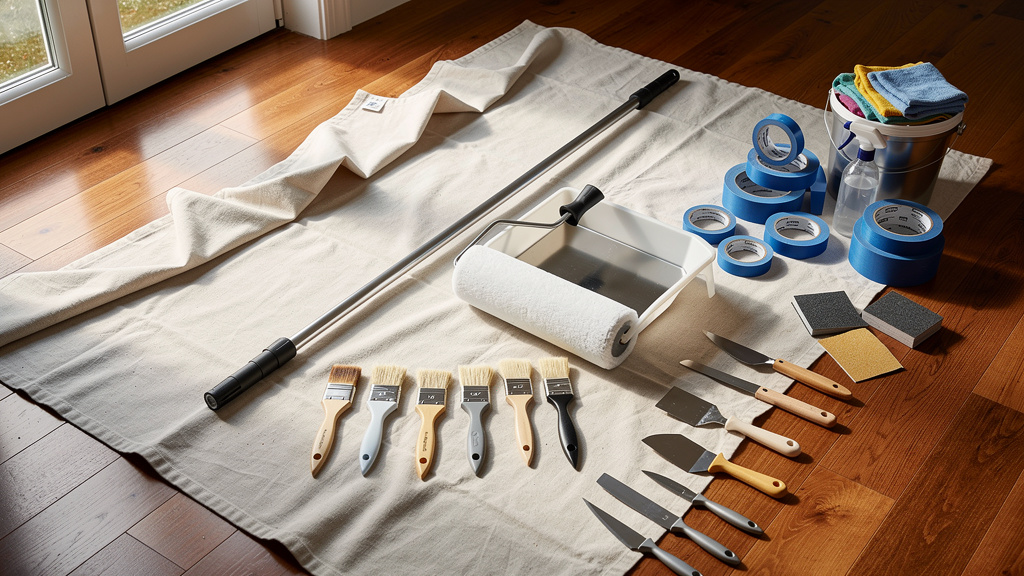
Organized collection of professional painting tools and supplies
Display of tools and brushes you will need for your project

Essential Tools And Materials For Professional Results

A lot of frustration with DIY painting comes from fighting cheap brushes, shedding roller covers, and thin plastic drop sheets that slide around. Good tools cost more at the cash register, but they save time, waste less paint, and give a more professional finish, even for a first‑time painter.

Preparation Tools

The right prep tools make it easy to give paint something solid to grip. A small set of scrapers and putty knives lets you remove loose paint, old caulking, and bumps, and then apply filler smoothly to nail holes and dents. A range of sandpaper grits and sanding blocks, usually around 120 for repairs and 220 for final smoothing, helps flatten patches so they disappear once painted.

A simple caulking gun with quality paintable caulk closes gaps along trim and crown moulding, which stops drafts and shadows at the same time. Cleaning products, such as a TSP substitute or a liquid deglosser, cut through kitchen grease and bathroom residue so new paint bonds instead of sliding. Painter’s tape and proper drop cloths finish the kit, protecting edges and floors while you work.

A basic preparation kit might include:

  • Scrapers and putty knives in a few widths

  • Sandpaper (120 and 220 grits) and sanding sponges

  • TSP substitute or similar cleaner

  • Liquid deglosser for glossy areas

  • Caulking gun and paintable caulk

  • Painter’s tape and canvas drop cloths

Application Tools

Once the surfaces are ready, application tools decide how smooth and even the finish will look. A premium angled sash brush around 2.5 inches wide is the workhorse for cutting in along ceilings and trim lines, while a smaller 1.5‑inch brush gives more control on narrow trim and detailed woodwork. Synthetic bristles work best with modern water‑based paints, and natural bristles still shine with traditional oil‑based paints.

A sturdy roller frame with a comfortable handle, plus an extension pole, makes rolling walls and ceilings far easier on the shoulders. Roller covers with the right nap are also key, with shorter naps for smooth walls and longer naps for textured surfaces. A paint tray with a metal liner or a five‑gallon bucket with a roller grid keeps the roller loaded evenly and cuts down on spills. For huge areas or cabinet projects, a sprayer can be helpful, but for most Georgina homes a brush and roller still give the best control.

Safety And Organization

Professional painters think about safety and organization before the first drop of paint hits a wall. Safety glasses protect eyes from scraping dust and overhead sanding, and a proper mask or respirator keeps primer fumes and fine dust out of the lungs. A solid ladder that is the right height for the room is far safer than balancing on a chair or table.

Work gloves protect hands during rough prep work and when handling chemicals such as TSP or mineral spirits. A small fan set in a window can move air through the room without blowing dust directly onto fresh paint. Keeping tools laid out in a logical order, with paint cans closed when not in use, reduces accidents and wasted time. At JFB Painting and Handyman Services, this kind of planning is part of every project because it helps our painters and handymen work safely and efficiently in Georgina homes.

Step 1: Comprehensive Surface Preparation Techniques

Every professional painter, and every competent handyman who offers painting, spends more time getting surfaces ready than actually rolling colour on the wall. A smart sequence starts with cleaning and gloss removal, moves through repairs, and ends with careful sanding and dust control. When you follow that order, primer and paint have a solid, smooth base.

Cleaning And Deglossing

Painting over kitchen grease, hairspray, soap film, or kids’ fingerprints is a quick way to get peeling paint and strange shiny spots. A mild TSP substitute mixed with warm water is enough for most walls, and you can wipe it on with a sponge, then rinse with clean water. On glossy trim and cabinets, liquid deglosser or a combination of light sanding and cleaner dulls the shine so primer can bond.

Bathrooms and laundry rooms in Georgina homes often need extra attention because of steam and moisture. Let cleaned surfaces dry fully, often overnight, before you move on. On very slick surfaces, such as an old oil‑based door, taking the time to degloss properly means the new paint stays put instead of chipping off at the first bump.
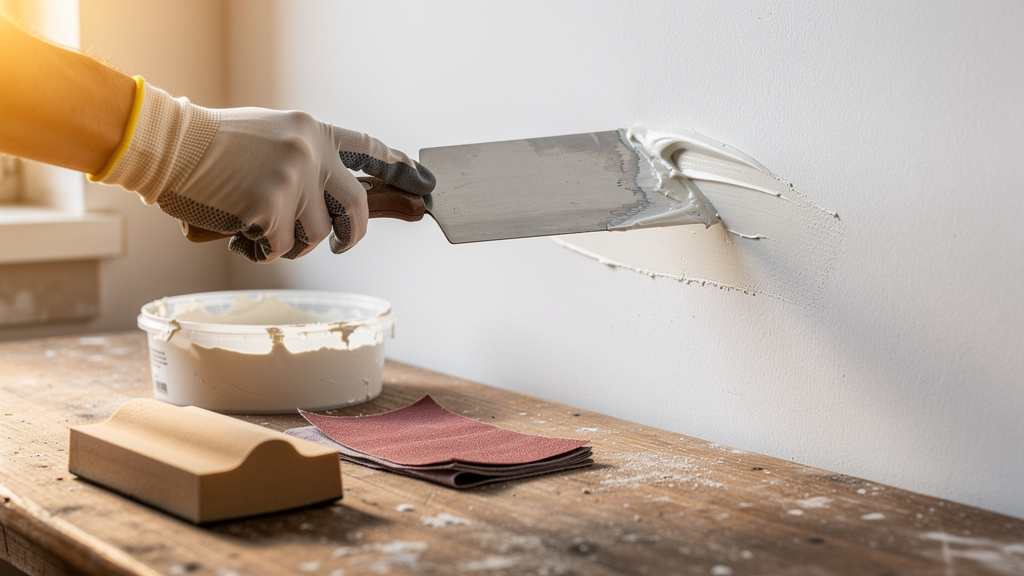
Hand applying spackling compound to repair wall imperfections
Displaying how to patch a hole in the wall part of the prep work

Repairing Surface Defects

Once walls are clean, every dent, crack, and nail pop becomes easier to see. Use a scraper to remove any loose paint or flaking areas, keeping the blade at a low angle so you do not gouge the surface further. Fill small nail holes and shallow dings with a lightweight spackling compound, then let it dry fully.

Larger holes and stress cracks need a bit more structure. Self‑adhesive mesh tape over the damaged area, followed by thin layers of joint compound feathered out beyond the edges, keeps repairs from cracking again. Any area with past water damage should be checked to make sure the leak is fixed, stained or softened drywall is removed, and any mould is treated before patching. JFB’s training handbooks walk new painters through this exact repair process, because neat repairs disappear once painted, and sloppy ones show forever.

Sanding For Perfection

Sanding is the step many people rush, but it is the secret behind those perfectly smooth walls seen in magazines. Start with a medium grit, such as 120, over repair areas to knock down ridges, and finish with a fine 220 grit to blend repairs into the surrounding surface. Use light, even pressure and smooth, overlapping strokes rather than pressing hard.

Sanding between coats of primer and paint, especially on trim and doors, gives an extra‑smooth finish and helps each layer bond. Vacuum or wipe down the walls, trim, and especially the tops of baseboards with a damp microfiber cloth so dust does not end up in your paint. For detailed trim and crown moulding, a soft sanding sponge shaped to the profile helps you smooth without changing the shape of the wood.

Step 2: Mastering Primer Selection and Application 


Primer is the bridge between your prepared surface and your topcoat. It sticks to the surface, seals in stains and previous colours, and gives the paint an even base, so the colour looks the same from corner to corner. Skipping primer can work in a few forgiving situations, but most Georgina homes benefit from the right primer under the paint.

Understanding Primer Types And Their Applications

Roller painting the wall going over the first coat

Water‑based or latex primers are the everyday choice for new drywall and most previously painted walls. They dry quickly, smell mild, and clean easily with water, which makes them a favourite for bedrooms, living rooms, and hallways. Oil‑based primers stick very well to old glossy finishes and do an excellent job blocking stains from water, smoke, or wood tannins, though they take longer to dry and need mineral spirits for cleanup.

Shellac‑based primers sit at the top of the stain‑blocking ladder for extreme situations such as heavy smoke damage or deep water stains that have bled through other products. Bonding primers are made for very slick surfaces like tile, laminate, and some plastics, giving paint something to grip where it would otherwise slide. There are also special primers with added mould resistance for bathrooms and damp basements and high-hide versions for drastic colour changes, like going from dark red to light grey. JFB Painting and Handyman Services leans on this range of primers so each room in a Georgina home gets the base that suits its surface and conditions.

Professional Primer Application Technique

Applying primer is less about perfection and more about even coverage and sealing. Start by cutting in along ceilings, corners, and around trim with a nicely angled brush, keeping a steady line so roller marks can blend into it later. Then roll the walls in sections, loading the roller enough to cover but not drip, and work from dry areas into wet edges to avoid lines.

On bare drywall or raw wood, the first coat of primer can soak in, so a second coat is sometimes needed for full sealing. Temperature and humidity play a big role in drying time, especially in Ontario basements or during damp spring days, so give primer the full time listed on the can before painting. Lightly sand the raised fibres on wood trim or any rough spots on walls after primer smooths the surface further. When the primed surface has an even, dull sheen with no shadowy patches, it is ready for colouring.

Step 3: Advanced Brush Techniques For Clean Lines And Smooth Coverage

Brushwork is one of the clearest differences between a rushed DIY job and professional painting by an experienced handyman or crew. Smooth, straight lines around trims, ceilings and doors without heavy brush marks do not come from expensive paint alone. They are derived from how the brush is held, loaded, and moved.

Loading And Holding The Brush Correctly

A brush works best when it feels like an extension of your hand, not a broom. For precision work, hold it like a pencil near the metal ferrule so your fingers can guide the bristles along the line, and use a fuller grip on the handle for broad areas. To get paint into the brush, dip the bottom third of the bristles, then tap each side against the can or pail.

Avoid scraping the brush hard across the rim, because that strips too much paint and leads to drag marks. On the wall, use light to medium pressure and let the paint flow off the brush instead of forcing it. Before starting on your best room, practice on cardboard or scrap wood until the motion feels smooth and repeatable.
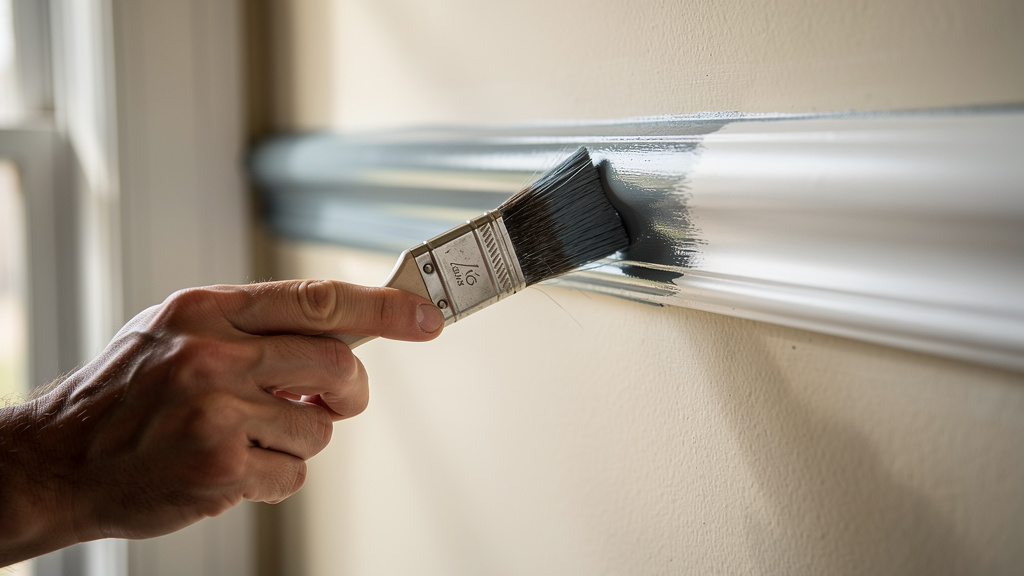
Precise brush cutting technique along crown moulding edge
Using a brush to paint a moulding a different colour from wall colour

Mastering The "Cutting In" Technique

Cutting in means painting a clean, straight edge where two colours meet, such as wall to ceiling or wall to trim, often without tape. Load the angled brush evenly, set the bristle tips just away from the edge, then gently press until the bristles fan out and just touch the line. Move your hand steadily along the edge, keeping the same pressure so the line stays even.

As you go, pull the paint down a few centimetres onto the wall so the roller can blend in while the edge is still wet. For crown moulding and other detailed trim common in Georgina homes, good lighting and a stable ladder position make a big difference. Resting your little finger lightly against the wall or trim as a guide can steady your hand. With practice, cutting in becomes faster and cleaner than taping every edge.

Brushwork For Trim, Doors, And Detailed Woodwork

Trim and doors attract attention, making sloppy brush marks immediately noticeable. A smaller angled brush between 1.5 and 2 inches gives better control on baseboards, casings, and window trim. Load the brush, apply paint along a short section, then immediately go back with just the tips of the bristles and smooth in long strokes in the direction of the wood grain.

On panelled doors, paint the recessed panels first, then the horizontal rails, and finish with the vertical stiles to keep a consistent flow. Thin coats dry harder and smoother than one heavy coat, so plan on at least two passes. For crown moulding, work from a secure ladder, keep the brush lightly loaded, and use long, gentle strokes to follow the profile.

Step 4: Professional Roller Application Techniques

Rollers are the workhorses for walls and ceilings. Used well, they give fast, even coverage with a soft, consistent texture. Used poorly, they leave heavy lines, patchy areas, and a rough finish that no one is happy with.

Loading The Roller Properly

A properly loaded roller feels full but does not drip. In a tray, roll the cover through the paint well, then up the ridged area several times so the paint spreads evenly across the surface. In a bucket with a roller grid, dip the cover partway into the paint, then roll it against the grid until the nap is saturated but not heavy.

Check both ends of the roller to be certain they carry similar amounts of paint, because dry edges leave tracks. Reload before the roller starts to sound sticky or look patchy on the wall. That way, each section gets the same amount of paint, and you are not forced to press harder to squeeze out the last bit.
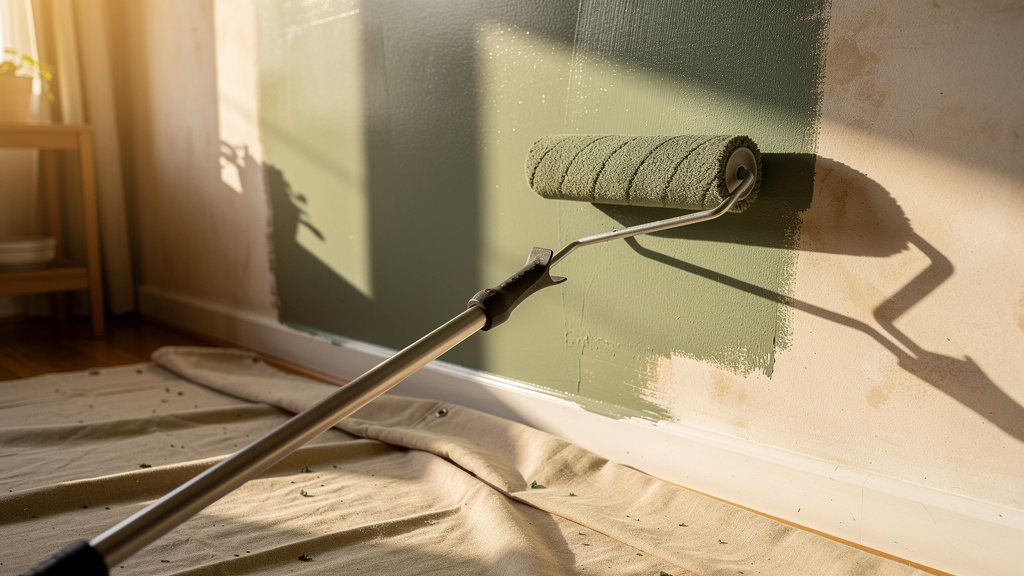
Paint roller applying color using professional W-pattern method
Using your roller on the wall using the proper technique

The W-Pattern And Back-Rolling Technique

The W‑pattern is a simple method that keeps coverage even and blends sections together. Start by rolling a loose W shape about one meter wide and one meter high on the wall without lifting the roller. Then, without reloading, roll back and forth to fill in that whole rectangle, spreading the paint smoothly over the area.

Finish by lightly rolling straight up and down across the section from top to bottom with almost no pressure, which levels the texture and removes heavy lines. Each new section should overlap the last while the paint is still wet so no lap marks appear. For ceilings, the same pattern works, though you may need to reload more often because gravity makes the roller give up paint faster.

Achieving A Professional Finish: Second Coats And Final Inspection

Most walls look their best with at least two coats of paint. Follow the drying time on the can, which is often about two to four hours for latex, but remember that cooler rooms or damp days in Georgina basements can slow this down. On very smooth or high‑visibility areas, a quick pass with fine sandpaper between coats knocks down dust nibs and leaves a silky finish.

Apply the second coat using the same W‑pattern and back‑rolling so the texture stays consistent. Once everything is dry, look at the walls and trim under different lighting and from several angles so you can spot thin areas, missed spots, or drips. Touch up with a small brush where needed. A professional or handyman standard is a room that looks even and clean regardless of where the light hits.

Step 5: Precision Work With Painter's Tape And Multi-Colour Schemes

While many painters rarely use tape for basic cutting in, it is very helpful for anyone building skills and for detailed designs such as stripes or geometric patterns. Tape work is its own skill, and rushed taping often leads to paint bleeding underneath, torn edges, and frustration.

Strategic Tape Application For Crisp Lines

Good tape starts with a clean, dry surface, so dust and oils do not stop it from sticking. Choose a quality painter’s tape meant for walls, such as well‑known green or blue brands with clean release glue, instead of general masking tape. Apply the tape along the line you want, then press firmly along the edge with a putty knife, plastic card, or even your thumbnail so the edge seals tightly.

For the sharpest line, first paint a thin coat of the base wall colour along the tape edge and let it dry. Any tiny gaps under the tape fill them with the same colour, which blocks the new colour from sneaking underneath. When you paint the new colour, use strokes that move away from the tape rather than pushing paint onto the edge. Remove the tape while the paint is still a bit tacky and pull it back at a shallow angle for a clean break. If a little bleed does happen, a light sand and a careful touch‑up with a small artist’s brush fix it.

Planning And Executing Multi-Colour Schemes

Crisp and well-planned feature walls, stripes, and shapes can significantly enhance the visual appeal. Start by sketching the idea and testing colours together on the wall so you can see them in the room’s real light. A laser level, similar to what JFB handymen use for trim and layout work, is very helpful for straight stripes or balanced geometric patterns.

When using more than one colour, paint the lightest first over the whole area and let it cure fully before tapping on top of it. Measure and mark stripe widths or shapes carefully, then tape along the outside of the lines that will stay light. Use the same base‑color sealing trick on each tape line before rolling the darker shade. Take extra care at corners and along ceilings so lines meet neatly. If the design starts to feel too complex or covers several large walls, that is a good moment to consider calling JFB Painting and Handyman Services to handle the layout and painting for you.

Step 6: Selecting The Right Paint Types And Finishes For Each Room

Standing in the paint aisle in Keswick or Sutton can be confusing, with rows of cans offering different bases, finishes, and special features. Picking the right combination for each room makes the job easier and gives a finish that suits how the space is actually used.

Understanding Paint Types: Water-Based vs. Oil-Based

Modern water‑based paints, often called latex or acrylic, are the standard choice for most interior walls and ceilings. They dry quickly, have a lower odour, are cleaned up with water, and flex a bit with seasonal movement, which helps prevent cracking in Georgina’s changing weather. They work well in living rooms, bedrooms, and general areas, and newer formulas have excellent durability.

Oil‑based or alkyd paints were once used almost everywhere because they dry to a rigid, smooth film that levels out brush marks beautifully. They still shine on trim, doors, and cabinets, where extra toughness is helpful, but they smell stronger, take longer to dry, and need solvents for cleaning tools. Many brands now offer hybrid paints that combine water cleanup with oil-like hardness, which makes them a smart middle ground for busy homes.

Selecting The Ideal Finish For Every Surface

Sheen, or how shiny the paint looks once dry, affects both appearance and durability. The basic options are shown here.

Finish

Light Reflection

Durability

Washability

Best Uses

Flat/Matte

Very low

Lower

Harder

Ceilings, low‑traffic rooms, hiding wall flaws

Eggshell

Soft

Medium

Medium

Living rooms, dining rooms, adult bedrooms

Satin

Gentle sheen

Good

Easy

Hallways, kids’ rooms, family spaces, some kitchens

Semi‑Gloss

Noticeable

High

Very easy

Trim, doors, cabinets, bathrooms, laundry areas

High‑Gloss

Very shiny

Very high

Very easy

Feature trim, furniture, front doors

For most Georgina homes, eggshell or satin works well on main walls because they balance a soft look with the ability to handle cleaning. Kitchens and bathrooms benefit from satin or semi‑gloss so steam and splashes can be wiped away without leaving dull spots. Semi‑gloss on trim, doors, and crown moulding creates a pleasing contrast with flatter walls and stands up to bumps and fingerprints. Ceilings usually look best in flat white, which hides small dents and keeps light from bouncing in odd ways. JFB Painting and Handyman Services helps homeowners match these options to their rooms and lifestyles, so paint keeps looking appealing between full repaints.

Step 7: Protecting Your Work Area And Achieving Efficient Cleanup

People often judge a painting crew or handyman not only by the finished walls but also by how clean the room looks afterward. Protecting floors, furniture, and fixtures from the start saves hours of scrubbing later and avoids damage that can cost far more than the paint itself.

Comprehensive Work Area Protection

Before opening a can, move as much furniture out of the room as possible, and group the rest in the centre under plastic. Canvas drop cloths are ideal for floors because they absorb drips and do not slide when you walk or move ladders. Light plastic sheets work well over furniture and fixtures where slipping is less of a concern.

Overlap Drop cloths slightly so no floor shows through and tape them gently along the edges if needed to stop gaps from opening. Remove switch plates and outlet covers and put the screws in a small container so they do not vanish. Cover light fixtures and ceiling fans with plastic or a clean bag to keep dust and splatter off them. In areas with a lot of sanding, hanging plastic in doorways and covering HVAC vents helps keep dust out of the rest of the house.

Efficient And Thorough Cleanup Practices

Cleaning while paint is still fresh is far easier than trying to rescue dried brushes and rollers. For water‑based paints, rinse tools in warm water with a bit of mild soap until the water runs clear, spin or shake out the extra water, and reshape bristles before letting them dry. For oil‑based products, work in a well‑ventilated area with the proper solvent, then wash with soap and water after the bulk of the paint is out.

If you plan to apply a second coat the same day, slip rollers and brushes into airtight plastic bags so they do not dry out between coats. Take tape off slowly, folding it onto itself as you go so sticky edges do not touch freshly painted walls. Fold drop cloths with the painted side inward so any wet spots do not smear on other surfaces. At JFB, our painters and handymen finish every job with a walk‑through and a tidy workspace, and you can follow the same habit by checking each room for stray splatters before calling the project complete.

When To DIY vs. When To Hire A Professional Handyman For Painting Projects

There is a real sense of pride in standing back and looking at a room you painted yourself. At the same time, some projects are simply bigger, higher, or trickier than most people want to handle on evenings and weekends. Knowing where that line sits helps you choose between DIY and bringing in JFB Painting and Handyman Services.

Ideal Projects For The Confident DIY Painter

Smaller, straightforward rooms are great practice for building painting skills. Bedrooms, home offices, and simple living rooms with eight‑foot ceilings and basic trim are very manageable once you understand prep, primer, and basic brush and roller work. Feature walls in a living room or bedroom are also a fun way to add colour without covering the whole space.

Projects go better when you can:

  • Spread the work over a few days without rushing

  • Avoid drastic colour changes on your first attempts

  • Work safely from a step ladder you feel steady on

  • Invest in decent tools instead of the cheapest kit available

Guides like this one from JFB, plus a bit of practice in a low‑traffic room, can take your skills up a level before you tackle the main floor.

When To Call JFB Painting And Handyman Services

Some jobs are perfect for a professional painter or handyman crew. Whole‑home interiors, several rooms at once, or exteriors with high peaks demand more time, equipment, and planning than most people want to take on alone. High or vaulted ceilings, stairwells, and tall exterior walls are much safer for a trained team with proper ladders, planks, and safety gear.

Homes with much trim detail, wainscoting, coffered ceilings, or fancy crown moulding need careful brushwork and a steady hand. Challenging surfaces such as damaged plaster, textured ceilings, brick, or walls with layers of old wallpaper call for experience in repair as well as painting. Dramatic colour shifts, kitchen cabinet refinishings, and time-sensitive projects before a house sale are all good reasons to call JFB. Our painters and handymen can also handle related tasks in the same visit, such as drywall repairs, caulking, small carpentry around trim, and hardware changes, which makes us a one‑stop service for Georgina homeowners.

Essential Safety Practices For Painting Projects

Good painting should never come at the cost of anyone’s health. Most accidents around DIY work happen because of rushed ladder use, poor ventilation, or a lack of simple protective gear. Professional painters and handymen treat safety as part of the job, not an add‑on.

A common saying on job sites is, “No paint job is worth a fall or a trip to the emergency room.”

Working Safely At Heights

Falls from ladders cause many serious home repair injuries, yet most are easy to avoid with a few habits. Pick a ladder that is tall enough so you can reach the area without standing on the top rungs, and always set it on firm, level ground with the spreaders locked in place. When using an extension ladder, keep the base far enough from the wall so the ladder leans at a safe angle, rather than almost straight up.

While climbing, maintain three points of contact with the ladder, such as two feet and one hand, and avoid leaning sideways to reach just a little farther. It is safer and faster in the long run to climb down and move the ladder more often. For big ceiling areas or high walls, small scaffolding or work platforms can offer a more stable base. Whenever possible, have another person at home while you work so someone can steady the ladder and help if needed. JFB crews always match the right access gear to the job, and DIY painters should follow the same careful approach.

Protecting Yourself From Fumes And Dust

You should keep particles and vapours released by paints, primers, and sanding out of your lungs and eyes. Choose low‑VOC or zero‑VOC paints whenever possible, especially for bedrooms and nurseries, and keep windows open to move fresh air through the room. A small fan in a window pointing outward can help pull fumes out without blowing dust onto wet paint.

When sanding, wear a dust mask or respirator rated for fine particles, and use a different cartridge mask for stronger oil‑based products or spray work. Take regular breaks, especially in warm weather, and step outside for a few minutes of fresh air. Keep children and pets out of the work area until walls are dry and any strong smell has faded. Wearing gloves when using TSP, deglosser, or solvents protects your skin, and safety glasses stop dust and splashes from getting into your eyes. If anyone in the home is pregnant or has breathing issues, it may be wise to have a professional handyman crew such as JFB handle the painting while they stay away from the work.

Maintaining Your Beautiful Paint Job: Long-Term Care Tips

Once a room looks fresh and clean, a little care goes a long way toward keeping it that way. Proper maintenance delays full repainting and keeps Georgina's homes looking sharp between bigger projects.

  • Dust walls and trim every few months with a soft cloth or microfiber duster so dirt does not build up and stick to the paint.

  • For marks and fingerprints, use a damp sponge with mild soap, and test a small area first, especially on flat finishes that are easier to mark.

  • Remember that semi‑gloss and satin handle gentle scrubbing better and are easier to keep bright in busy areas.

Touch up small chips and scuffs before they grow into larger worn patches. Saving a small, labelled container of each colour makes this easy, and a soft artist’s brush can blend touch-ups into the surrounding area. After winter, check around windows, doors, and exterior walls for water stains, peeling, or cracked caulking that might let moisture in. On the outside, look for peeling or faded paint on trim and siding each spring, and plan small handyman repairs with JFB before problems spread.

Conclusion

Painting is one of the most cost-effective ways to transform the feel of a home, and the process almost always determines the difference between a rough job and a smooth, professional finish. When surfaces are cleaned, repaired, sanded, primed, and painted with the right tools and techniques, even a simple colour change can make rooms in Georgina's homes feel fresh and cared for.

By following the steps in this guide, anyone can raise their painting skills. Careful prep, smart primer choice, solid brush and roller habits, thoughtful tape work, and the right paint sheen for each room all work together. Add in safe work practices, good protection, and regular upkeep, and your walls and trim will stay in good shape through many seasons.

If a project feels too big, too high, or just too important to risk learning as you go, JFB Painting and Handyman Services is ready to help. Our painters and handymen bring local experience, careful prep, and clean work habits to every Georgina‑area home. Whether you want full professional painting or a handyman to handle the tricky parts while you do the rest, we are only a call away.

FAQs

Do I Really Need to Use Primer on Every Painting Project?

Not every surface needs a separate primer, but many do. New drywall, patched walls, stained areas, bare wood, and any glossy or unknown old paint should be primed so the topcoat bonds and covers evenly. In some light color‑over‑color repaints with sound existing paint, a self‑priming wall paint can be enough, but JFB often still uses a dedicated primer in problem spots.

How many coats of paint should I plan for my walls?

For most interior walls, two coats of good-quality paint over a suitable primer give solid colour and even sheen. If light colours cover very dark ones, or vice versa, a third coat may be necessary, particularly in bright light. Planning for at least two coats from the start helps schedule your work and gives a better result than trying to make one heavy coat do the job.

What Should I Paint First, the Walls or the Trim?

Many professionals, including JFB Painting and Handyman Services, prefer to paint ceilings first, then walls, and finish with trim and doors. This ensures that you can conceal any minor splatters from rolling walls during the trim process. When repainting a room completely, following this order maintains cleaner edges and minimizes the need for touch-ups.

How Long Should I Wait Before Sleeping in a Freshly Painted Bedroom?

With modern low‑VOC water‑based paints, most smells fade within a day. Keep windows open and a fan running to move air through the room, and wait until the paint is dry to the touch and the odour is mild. People with sensitive lungs, young children, or anyone pregnant may want to wait a full day or two or have a professional handyman crew handle the work while they stay in another part of the home.

Regards,

Joseph F. Botelho

Ready for a Home Makeover?

Stop putting off those repairs! We specialize in expert painting and reliable handyman services right here in the area. From applying a fresh coat of paint to fixing nagging household issues, we handle the hard work so you don't have to. 

[Click Here to View Our Full Services List] Get a Free Estimate Today!

About the Author – JFB Handyman

JFB Painting and Handyman Services has been proudly serving homeowners since 2018, providing reliable, detail-focused home maintenance, repairs, and improvement services. With years of hands-on experience solving real foundation, soil, drainage, and structural issues, JFB Handyman brings practical knowledge to every project and every article.

From small fixes to complex home challenges, the goal has always been the same: deliver honest workmanship, protect your investment, and help homeowners understand how to keep their property in top condition. This commitment to quality, transparency, and long-term solutions has made JFB Handyman a trusted name in local home repair.


Full-Scope Painting and Handyman Services:

Professionalizing Your Painting & Handyman Business: Part 1 - Tools & Equipment Investment Guide

Introduction: This is Part 1 of our 5-part series on transforming your painting and handyman business into a professional, scalable operatio...